Preparedness Products
Build a Safer, More Ready Household
Explore practical Amazon preparedness essentials selected to help your household prepare for disruptions, emergencies, and everyday unexpected events with greater confidence.
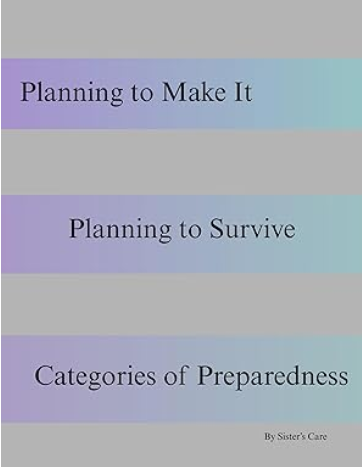
Planning to Make It, Planning to Survive
A practical guide to preparing for life’s hardships—both expected and unexpected.
Hardships don’t always begin with a major disaster. They can start with a temporary job loss, a reduction in pay, an unexpected expense, or another disruption to everyday life. They can also grow into natural disasters and major emergencies.
Planning to Make It, Planning to Survive: Categories of Preparedness encourages individuals to think ahead, develop their own preparedness plans, and put those plans into action. The book offers ideas and information to help you consider the plans, supplies, and resources you may need when facing different types of hardships.
Rather than taking a one-size-fits-all approach, the book encourages you to look at your own circumstances and needs and develop a plan that works for you.
The book includes a one-page preparedness checklist to help you turn your planning into practical action.
Prepare before you need to. Start with a plan. Start with what you can do today.
Shop by Preparedness Category
Emergency Kits
Emergency Food
Water Storage & Filtration
First Aid Supplies
Lighting & Power
Communication Tools
Sanitation & Hygiene
Personal Safety Supplies
Preparedness Essentials for Your Household

Family Emergency Kit
Best for households seeking an all-in-one starting point for power outages, storms, and evacuation readiness.
Sized for 2–4 people
Includes first aid and safety basics
Compact grab-and-go storage
Easy to supplement over time

Long-Term Food & Water Supply
Ideal for extended disruptions, home sheltering, and families building dependable reserves with minimal storage waste.
Choose servings by household size
Look for long shelf life
Store in cool, dry spaces
Prioritize simple preparation
More Categories

Shelf Life You Can Trust
Choose food, water, batteries, and medical supplies with clearly labeled dates so your household can rotate inventory confidently.

Portable, Practical Storage
Select lightweight, durable bags, bins, and containers that are easy to carry, access, and store where your family needs them.
Build and Maintain Your Emergency Supplies
Step 1
Assess Your Household Needs
Consider the number of people, pets, medications, mobility needs, likely local hazards, and the number of days you want to prepare for.
Step 2
Choose Supplies That Fit
Select Amazon preparedness products that match your space, budget, emergency scenarios, and comfort level—from grab-and-go kits to home reserves.
Step 3
Organize, Review, and Refresh
Store supplies where they are easy to reach, label what you have, and review expiration dates and household needs regularly.
Build a Practical Starter Supply List
- Two-week supply of shelf-stable food your household will eat
- One gallon of water per person, per day, for at least three days
- Manual can opener, reusable utensils, and basic cooking supplies
- Flashlights, extra batteries, and a battery or hand-crank radio
- First-aid kit, hygiene items, and copies of key documents
- Choose compact, clearly labeled items that are easy to rotate
- For families: add familiar snacks, comfort items, and age-appropriate activities
- For children: include diapers, formula, wipes, medications, and favorite calming items
- For older adults: stock glasses, mobility supports, hearing-aid batteries, and care supplies
- For pets: keep food, water, leash, carrier, waste bags, and veterinary records ready
- For medical needs: plan for prescription refills, backup power, and essential equipment
- For accessibility needs: select supplies that support communication, mobility, and independence
- Start with one dependable emergency kit, then customize it for your household
- Compare kit contents rather than relying on item count alone
- Check food dates, battery types, dimensions, and storage requirements before ordering
- Prioritize trusted sellers, clear product descriptions, and verified customer feedback
- Buy in stages to stay within budget and avoid duplicate supplies
- Review and refresh your preparedness supplies every six months
Preparedness Shopping Questions
Use these practical guidelines to choose supplies that fit your household, budget, health needs, and available storage space. Product recommendations from Sister’s Care are intended to help you compare useful preparedness options with confidence.
How much food and water should I keep at home?
Begin with at least a three-day supply of water and nonperishable food for every person in your household. A common water guideline is one gallon per person per day for drinking and sanitation. When space and budget allow, work toward a two-week food supply and adjust quantities for children, pets, medical needs, and local hazards.
What should I look for in an emergency kit?
Choose a kit with the essentials you are most likely to need: water storage, light, batteries or charging options, first aid, hygiene supplies, a radio, basic tools, and document protection. Review every included item, then add household-specific needs such as medications, infant care supplies, pet items, or mobility aids.
How often should I check and replace emergency supplies?
Review your supplies at least twice a year and after any emergency use. Replace expired food, water, medications, batteries, and first-aid items; test lights and power banks; update contact information and documents; and adjust your kit as family members, health needs, or living arrangements change.
Can I buy everything for preparedness at once?
You can, but building your supplies in stages is often more manageable. Start with water, food, light, first aid, and communication tools, then add items for comfort, sanitation, cooking, pets, and special needs. A gradual approach helps you compare products carefully and avoid purchasing items that do not fit your household.
How are Amazon product recommendations selected?
Recommendations are shared to support preparedness education and make it easier to find commonly needed supplies. Consider them a starting point, not a one-size-fits-all checklist. Before purchasing, review the product description, specifications, ratings, seller details, shipping information, and whether the item meets your household’s needs.
What if a recommended item is unavailable or costs more than expected?
Availability and pricing can change quickly. If an item is unavailable, look for an alternative with comparable capacity, quality, safety features, and storage requirements. Focus on the function the item serves—such as safe water storage, dependable lighting, or shelf-stable nutrition—rather than purchasing a specific brand.