
Community Resources
Find the Help, Hope, and People Who Make a Difference
Discover trusted local resources, caring organizations, and practical support so you never have to face life’s challenges alone.

Stronger Communities Start With Knowing Where to Turn
Sister’s Care helps connect people with the local resources, organizations, services, and caring individuals who can make everyday challenges feel more manageable. Whether you need guidance with food, finances, health, housing, emergency planning, or encouragement during a difficult season, we help you identify practical next steps and trusted places to begin.
Community is more than a list of contacts—it is the relationships that remind us we are not alone. By sharing knowledge, building connections, and looking out for one another, families become more prepared and neighborhoods become more resilient. Together, we can create a dependable circle of support for today’s needs and tomorrow’s unexpected moments.

Get Practical Support, Close to Home
Trusted Local Guidance
Find reliable organizations, community programs, and knowledgeable contacts who can help you understand your options and take the next step.
Help With Everyday Needs
Connect with resources for food, financial stability, health, transportation, housing, and other practical needs that affect daily life.
Encouragement in Difficult Seasons
Discover caring support when circumstances change, from a listening ear and faith-filled encouragement to referrals for meaningful assistance.
Emergency Support Networks
Know where to seek help before, during, and after emergencies, power outages, severe weather, or other unexpected disruptions.
Neighbors Helping Neighbors
Build relationships with people who share wisdom, lend a hand, and help families respond, recover, and grow stronger together.
Connections That Build Resilience
Learn how shared resources, practical preparedness, and mutual care create a stronger foundation for your family and community.
How Community Support Works
Step 1
Identify What You Need
Start with the challenge in front of you, whether it is food, finances, emergency planning, caregiving, or simply knowing what to do next.
Step 2
Find Trusted Local Help
Explore relevant organizations, services, practical tools, and community contacts that can provide dependable guidance and support.
Step 3
Share Strength Forward
Build relationships, stay connected, and pass useful resources along so more neighbors are prepared to support one another.
Find Support Close to Home
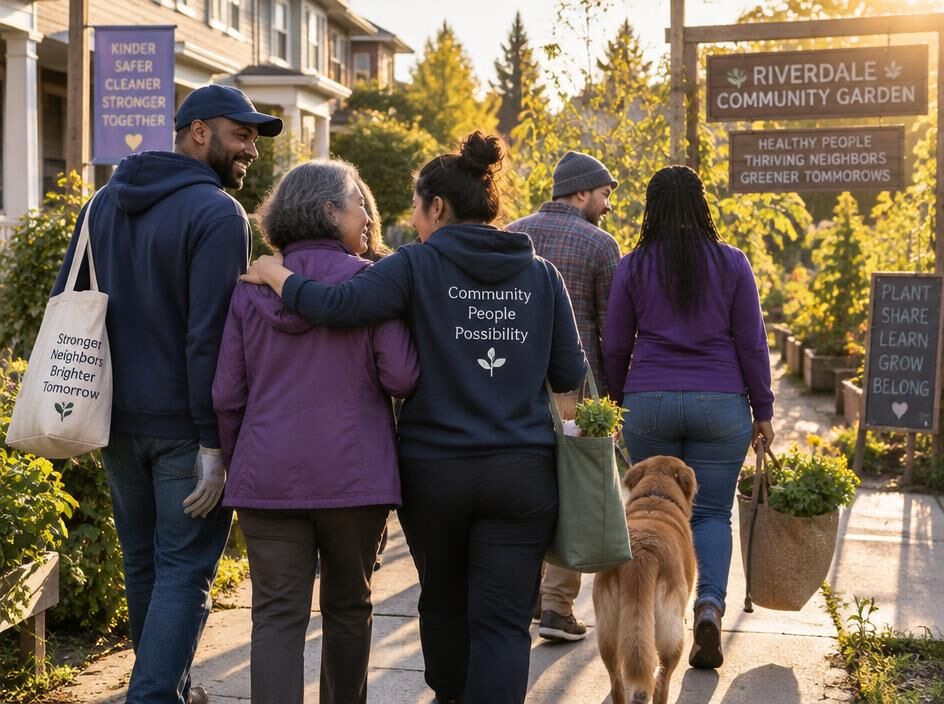
Food & Household Assistance
Nourishment for Today

Health, Family & Emergency Care
Help When It Matters Most
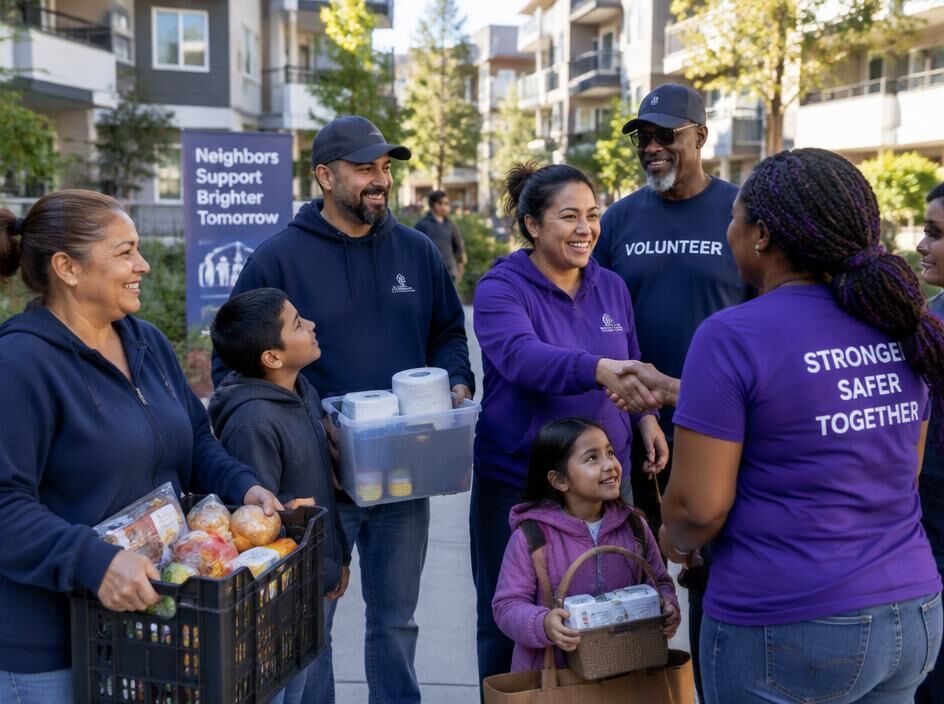
Financial, Transportation & Connection
Practical Help and People Who Care
Questions About Finding Community Support
Knowing where to turn can make everyday challenges feel more manageable. Use these answers to find help, connect with trusted organizations, and become part of a stronger local support network.
How can I find local help when I am not sure where to start?
Begin with the need in front of you—food, housing, transportation, health care, financial support, or family services. Search local community directories, contact 211 when available, and ask trusted faith communities, schools, libraries, or neighborhood organizations for referrals.
How do I know whether an organization is trustworthy?
Look for clear contact information, a local presence, transparent services, and recommendations from reliable community members or partner agencies. You can also check reviews, ask how assistance is provided, and confirm whether the organization has experience serving needs like yours.
Is it okay to ask for support when my family is struggling?
Yes. Asking for help is a practical and courageous step, not a failure. Many resources exist because communities understand that hardships can happen to anyone. Reaching out early may give you more options and help you regain stability sooner.
What should I bring or prepare before contacting a resource?
Write down your immediate needs, gather any requested identification or paperwork, and keep a list of questions. If you are unsure what is needed, call first and ask. A little preparation can make it easier to connect with the right support.
How can I help someone else without overextending myself?
Offer what you can realistically give—an encouraging conversation, a ride, a meal, a referral, childcare, or time volunteering. Small, dependable acts of care build trust. If a need is beyond your capacity, help connect the person with an appropriate local resource.
How can we build stronger connections in our community?
Start by learning your neighbors’ names, supporting local organizations, sharing reliable information, and checking in during difficult seasons. Relationships built before a crisis make it easier for people to communicate, cooperate, and care for one another when help is needed.